

Case Study: Water Tank Restoration by Kelly Industrial Coating
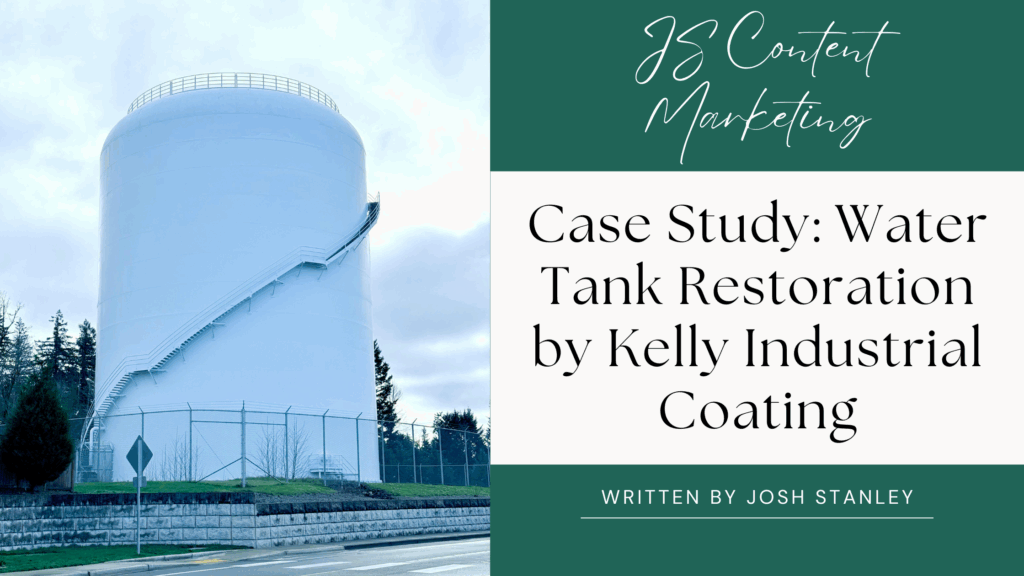
(Part 1)
Quote: “These tanks were in tough shape, but Kelly added years to their life.”
Copy:
With five corroded water storage tanks barely usable, we provided expert repairs and relining to save the client the cost of installing new tanks.
CASE STUDY PAGE:
Headline: Preserving precious business resources
Lead-in:
After being approached by the company for process and material recommendations, we were soon asked to take on the full task of repairs due to our specialized experience. By refurbishing these five corroded tanks that hold water and bentonite clay used during the directional boring process, we were able to extend their years of service and save the client money on costly replacements. Project time frame was approximately two weeks for all five tanks.
What We Did:
Provided consulting, specification writing, and supply of coating material for the tanks’ internal lining, and recommended one of our highly experienced mobile, industrial, and painting contractors to perform the work onsite for the client.
Why:
By bringing our contractor onsite, we further saved our client money by helping them avoid the cost of shipping the containers. Our specialists helped the client find the appropriate solution for the unique requirements of their equipment and jobsite.
What We Did:
Filled the pits and voids of the steel material with compatible epoxy pit filler to create an even surface and welded replacement steel into place in some heavily damaged areas, then applied the International/Devoe Bar-Rust 236 lining.
Why:
This specific lining was chosen for its high rate of success in intense environments such as wastewater and petrochemical applications. Our process not only restores the structural integrity of the tanks but safeguards them from the harsh demands of the worksite.
Which Resulted In:
Deferring the purchase of new tanks for at least five years—saving the client nearly triple the cost of repairs, and ensuring that the water and other material needed for the worksite is safe and available.
(Part 2)
CASE STUDY LANDING PAGE:
Eyebrow: BEVERAGE INDUSTRY | TANK LINING
Quote: “These tanks were tainting our drinks, but Kelly brewed up a solution.”
Copy:
With beverage tanks contaminating their liquid due to old and inefficient lining, we provided expert repairs to safeguard the product and save the client money.
CASE STUDY PAGE:
Eyebrow: BEVERAGE INDUSTRY | TANK LINING
Headline: Refreshing equipment for more refreshing drinks.
Lead-in:
A large midwestern brewery specializing in beer and alcoholic beverages reached out to us to help with their alcohol fermentation tanks. The tanks’ internal lining was damaged and corroding. Compounding the problem was a previous (failed) attempt by another company to reline the tanks, which led to the contents becoming contaminated.
What We Did:
Our operations and maintenance department utilized an epoxy lining known as Carboline Plasite9060 to redo the interior of the tanks. We also provided taste test panels for liquids housed within the new lining system to ensure this solution solved the problem.
Why:
We chose this epoxy for multiple reasons. It was developed for steel vessels containing edible foodstuffs and consumable liquids. It’s also been tested per FDA 21 CFR 175.300 for direct food contact, ensuring no contamination by unwanted flavors or solvents.
What We Did:
We applied this coating via a specialized application. This saw us utilize a heating apparatus near all tanks when implementing the coating solution, and keeping it in place until the solution had fully set in. This heating system was monitored 24 hours a day.
Why:
The damp, cool conditions of the tanks necessitated this heated environment in order to force cure the lining. This ensured maximum crosslinking of the coating and the removal of all solvents. The constant monitoring also enabled us to ensure proper surface prep, adequate coating thickness, and no defects during or after the installation.
Which Resulted In:
This process will see us replace 5-6 tanks per year, which will save the client a great deal of money they would have otherwise had to spend on replacements. And with the tanks now lined safely in a way that doesn’t impact the beverages’ flavors, it’s a result that we, the client, and their customers can all toast to. Cheers!